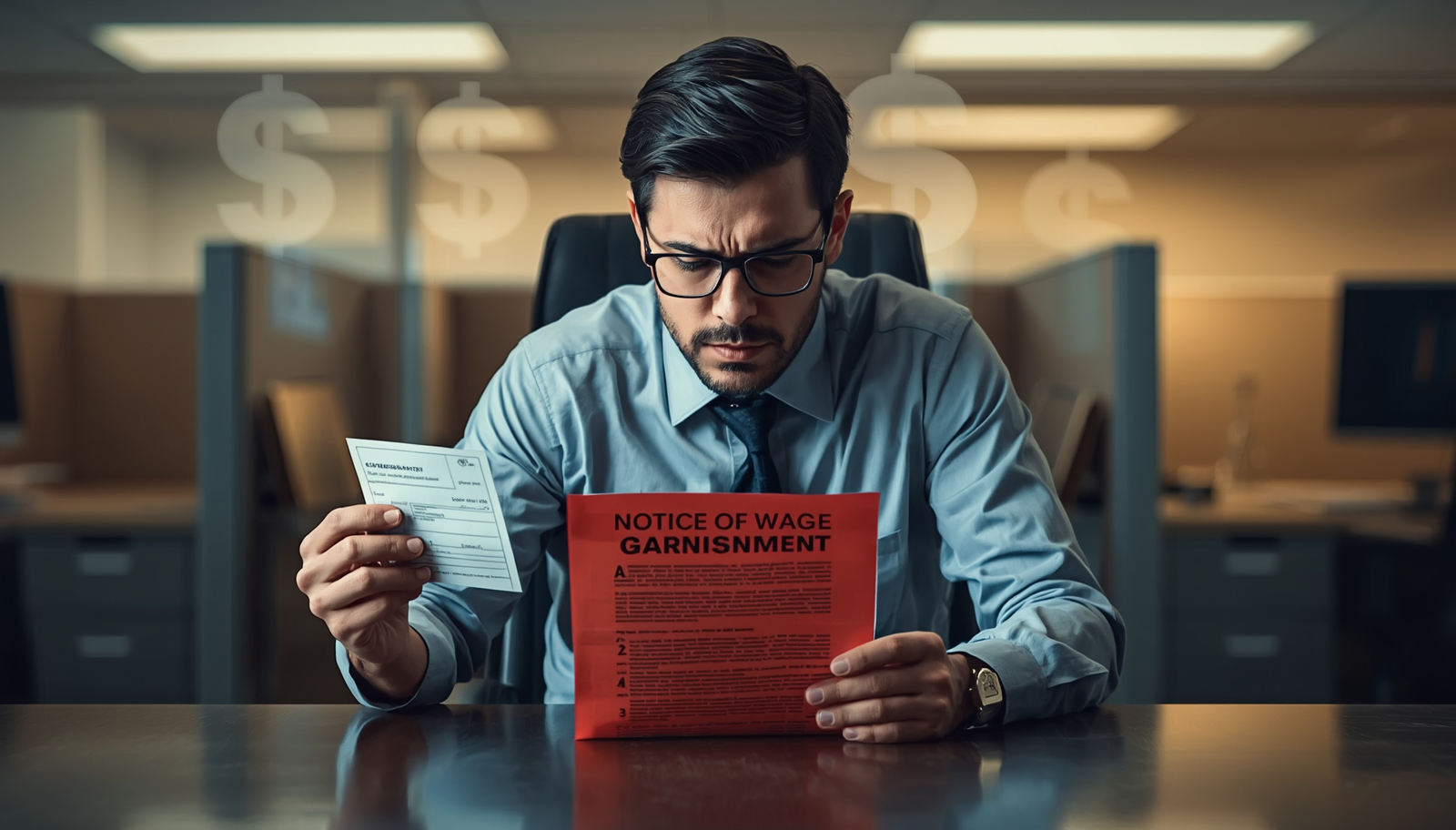
If you’ve been glued to your phone searching for the latest student loan wage garnishment 2026 update, you’re not alone. Millions of Americans woke up this year with one scary question: “Is the government about to take money directly from my paycheck?”
The short answer? It was about to happen — then it didn’t — and now it’s coming back. Let’s break down everything you need to know, without the legal jargon.
What Is Wage Garnishment? (Student Loan Wage Garnishment 2026 Update)
Think of wage garnishment as the government legally tapping into your paycheck before you even see it.
Here’s the breakdown: when your federal student loans fall into default—typically after 270 days of missed payments—the U.S.
The Student Loan Wage Garnishment 2026 Update Department of Education can contact your employer directly. Your employer is then legally required to hold back a chunk of your pay and send it to the government to cover your debt.
You don’t get a say. Your employer doesn’t get a say. It just happens — automatically.
And unlike a lawsuit where a bank has to sue you first, the federal government doesn’t need a court order to garnish student loan wages. This is called Administrative Wage Garnishment (AWG), and it’s one of the most powerful debt collection tools in existence.
What makes it especially tough is that it affects you at work. Your HR department gets notified. Your paycheck shrinks. And the financial pressure can feel overwhelming — especially if you’re already living paycheck to paycheck.
January 2026: The Announcement, the Shock, and the Last-Minute Pause
Here’s where the story gets interesting.
In late 2025, the Trump administration announced it would restart wage garnishment for millions of defaulted borrowers. After a five-year pandemic-era pause that began in March 2020, the government was finally ready to collect.
The plan was set in motion: the week of January 7, 2026, the Department of Education would begin sending garnishment notices to approximately 1,000 borrowers in default — with that number ramping up every single month. In total, over 5.3 million borrowers had already received formal notices that their wages could be withheld.
the student loans 2026 For many families, this was a gut punch. Advocacy groups were furious. One legal director at borrower protection group Protect Borrowers called it “cruel and irresponsible” at a time when wages are stagnant and the cost of living keeps climbing.
Then, just nine days later — on January 16, 2026 — the Department of Education reversed course.
Education Secretary Linda McMahon announced a temporary delay on all involuntary collections, including wage garnishment and the Treasury Offset Program (which seizes tax refunds and Social Security payments). The reason? The government needed time to roll out major reforms under the One Big Beautiful Bill Act (OBBBA), specifically to give borrowers a fair shot at new repayment options before collections could restart.
It was a narrow escape for millions — but it’s important to understand: this is a pause, not a cancellation.
How Much Can They Actually Take From Your Paycheck?
This is the number that shocks most people.
Under the Higher Education Act, the federal government can withhold up to 15% of your disposable pay through Administrative Wage Garnishment. “Disposable pay” means what’s left after legally required deductions — think federal taxes and Social Security — but before things like health insurance or 401(k) contributions.
There is one protection built in: you must always be left with at least $217.50 per week (based on federal minimum wage calculations). But beyond that threshold, the 15% is fair game.
To put it in real dollars: if you take home $3,000 a month, the government could garnish up to $450 every month — indefinitely — until your defaulted loan is resolved.
And remember: the government doesn’t need a judge’s signature. No court. No warning beyond that initial 30-day notice. Once the process starts, it moves fast.
What Changes on July 1, 2026? student loan garnishment update
July 1, 2026 is the date every borrower needs to circle on their calendar.
This marks the official rollout of the Repayment Assistance Plan (RAP), a newly introduced income-driven repayment program established under the OBBBA.
The Biden-era SAVE Plan has been permanently struck down by federal courts, and RAP is its replacement.
Under RAP, borrowers pay between 1% to 10% of their adjusted gross income monthly, for up to 30 years. For someone earning $40,000 a year, that could mean payments as low as $33–$333 per month — far more manageable than garnishment.
The catch? Once RAP and other new plans are live, the Department of Education is expected to resume involuntary collections, likely in late summer or fall of 2026. Experts widely believe garnishment notices will go back out once the new rehabilitation pathways are fully operational.
In other words: the window to act is open right now — but it won’t stay open.
Immediate Steps Borrowers Should Take
If you’re in default or worried about your student loans, don’t wait. Here’s what you need to do immediately:
1. Check your status at StudentAid.gov
Log in and see if your loans are delinquent or in default. Don’t assume — Because some borrowers have seen inaccurate account updates, it’s important to reach out to your loan servicer and verify your status directly.
2. Call the Default Resolution Group
Reach them at 1-800-621-3115. They can walk you through your options, including rehabilitation, consolidation, or enrolling in a compliant repayment plan.
3. Request a Hearing If You’ve Been Notified
You have 30 days after receiving a garnishment notice to object. You can claim financial hardship or dispute the amount. Don’t miss this window.
4. Enroll in Loan Rehabilitation
Make 9 voluntary, on-time payments over 10 months and your loan comes out of default. Once out of default, garnishment stops.
5. Prepare for RAP Enrollment (Starting July 1, 2026)
When the Repayment Assistance Plan launches, enroll immediately if you qualify. Income-driven payments could be dramatically lower than the 15% being garnished from your check.
6. Update Your Contact Info
Garnishment notices go to your last known address. If the Department of Education can’t reach you, you could miss critical deadlines. Update your contact info at studentaid.gov today.
Bottom Line(Student Loan Wage Garnishment 2026 Update)
The student loan wage garnishment 2026 update is a story still in motion. The pause bought borrowers time — but not forever. With over 5 million Americans in default and major policy changes hitting July 1, the stakes have never been higher.
The best thing you can do right now is take action before collections restart. Reach out to your servicer, explore your rehabilitation options, and get ready for the new repayment landscape.
Your paycheck is worth protecting.
Have questions about your specific loan situation? Drop them in the comments below — we read every one.
Treasury student loans takeover 2026: What 42 Million Borrowers Need to Know in 2026.